Why most Установка дачных заборов и ворот projects fail (and how yours won't)
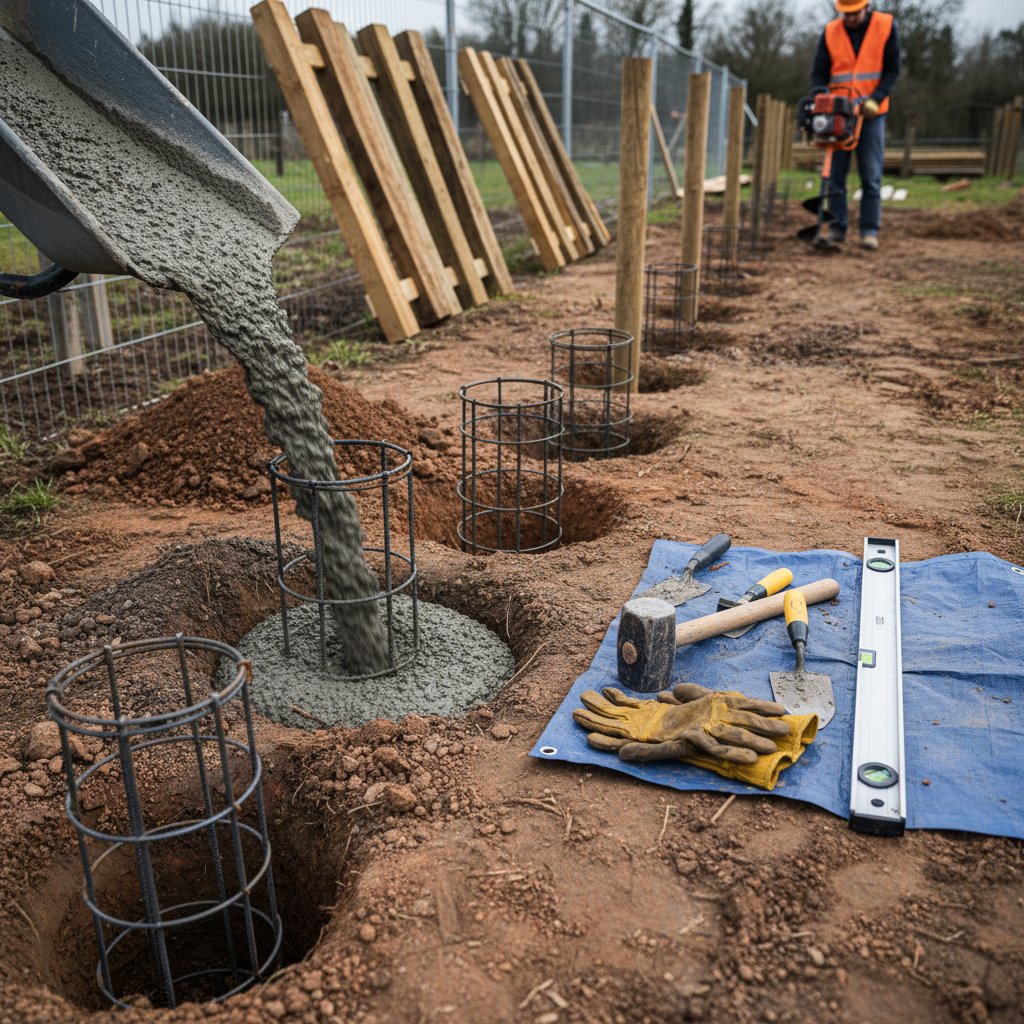
The Fence That Fell Apart Before Summer Ended
Picture this: You spend 150,000 rubles on a beautiful new fence and gate for your dacha. Three months later, the posts are leaning, the gate won't close properly, and you're staring at wood that's already starting to rot. Sound familiar?
Here's the uncomfortable truth: roughly 40% of dacha fence installations need major repairs or complete replacement within the first two years. That's not a typo. Nearly half of all projects go sideways, and homeowners end up paying twice for what should have been done right the first time.
I've watched this happen dozens of times, and it's rarely about bad luck.
The Real Reasons These Projects Collapse
Nobody Talks About Soil Composition (Until It's Too Late)
Clay soil behaves completely differently from sandy soil when winter frost hits. Posts installed at 80cm depth might work fine in Moscow's sandy areas but will heave right out of clay-heavy ground in Tula region. Most contractors use the same installation depth everywhere because it's faster. Spoiler: faster doesn't mean stable.
A fence I examined last spring had 12 out of 15 posts tilted at various angles. The installer had set them all at 70cm. The ground? Heavy clay that freezes to 140cm in winter. Basic physics did the rest.
The "We'll Figure It Out" Approach to Materials
Your neighbor used regular construction timber and saved 30% on materials. His fence looked great in June. By September, you could see warping. By the following spring, several boards had split completely.
Untreated wood at a dacha—where humidity swings wildly and there's no climate control—lasts about as long as ice cream in July. Yet contractors keep suggesting it because margins are better and most people don't know the difference between construction-grade lumber and properly treated wood.
Gates That Become Garden Art (Unintentionally)
Heavy metal gates need posts set in concrete footings at least 100cm deep with reinforcement. I've seen gates weighing 80kg hung on posts buried just 60cm deep with no lateral support. Within six months, the posts lean inward from the weight, the gate drags on the ground, and the whole thing becomes a very expensive lawn ornament.
Warning Signs You're Headed for Trouble
The contractor can't tell you the frost line depth for your specific area. This is like a chef not knowing oven temperatures—it's fundamental.
Nobody mentions drainage or soil testing. Water is your fence's worst enemy, yet most quotes ignore it entirely.
The estimate uses vague terms like "quality materials" without specifying treatment type, wood species, or metal gauge. If they won't put specifics in writing, they're leaving themselves wiggle room you'll pay for later.
Timeline seems suspiciously short. A proper 50-meter fence installation with gates takes 4-6 days minimum. Anyone promising 2 days is cutting corners you haven't even thought of yet.
How to Actually Get This Right
Step 1: Demand a Soil Assessment
Before anyone quotes you a price, they need to know what they're working with. Dig a test hole 150cm deep. You'll see the soil layers and can determine frost depth. This takes 30 minutes and saves thousands in future repairs.
Different soil = different installation requirements. No exceptions.
Step 2: Specify Materials in Painful Detail
For wood: Require pressure-treated lumber rated for ground contact (marked UC4 or higher). Regular "treated" wood won't cut it. Expect to pay 40-50% more than untreated, but it'll last 15+ years instead of 3.
For metal: Posts should be minimum 60x60mm profile with 3mm wall thickness. Anything thinner will flex and warp. Hot-dip galvanization, not spray coating—there's a massive durability difference.
Step 3: Insist on Proper Depth and Reinforcement
Standard posts: 120-140cm depth in areas with frost. That's below the frost line, not at it.
Gate posts: 100-120cm depth with concrete footings measuring at least 40x40cm. For gates over 60kg, add diagonal bracing to adjacent fence sections.
Get these numbers written into your contract. Verbal promises evaporate.
Step 4: Build in Drainage from Day One
A 10cm gravel layer at the bottom of each post hole prevents water accumulation. Costs maybe 3,000 rubles extra for a typical installation. Prevents 80% of premature rot issues.
For gates, ensure ground slopes away from the opening. Even a 2-degree slope makes the difference between a gate that swings freely and one that fights you every time.
Lock in Longevity
Schedule an inspection after the first winter. Frost heave might reveal issues while they're still minor. Tightening a loose post in April costs 2,000 rubles. Replacing a collapsed section in July costs 45,000.
Apply wood preservative every three years, even on treated lumber. Think of it like changing oil in your car—skip it and pay later.
Keep vegetation trimmed back at least 30cm from fence lines. Plants trap moisture against wood and metal, accelerating deterioration by roughly 60%.
Your dacha fence isn't a weekend DIY project or a place to hunt for the cheapest quote. It's a 15-20 year investment that either protects your property or becomes an expensive headache. The choice happens in the planning phase, not after installation.
Do it once. Do it right. Your future self will thank you.