Установка дачных заборов и ворот in 2024: what's changed and what works
If you've been putting off that dacha fence project, 2024 might surprise you. The Russian countryside fencing game has shifted dramatically over the past year, with new materials hitting the market, installation costs fluctuating wildly, and some old-school methods making an unexpected comeback. Here's what actually matters when you're planning to secure your dacha property this year.
1. Composite Materials Have Finally Hit the Sweet Spot
Remember when composite fencing felt like something only Moscow suburbs could afford? Those days are gone. The price gap between quality wood and decent composite has shrunk to about 15-20%, making it a legitimate option for average dacha owners. Companies like TerraDeck and EcoDrev now offer panels that'll outlast traditional timber by 15-20 years without the annual maintenance headache.
The real game-changer is installation speed. A 50-meter composite fence goes up in roughly 2 days with a two-person crew, compared to 4-5 days for traditional wooden pickets. You're looking at around 3,500-4,200 rubles per running meter installed, which includes posts and basic gates. The math makes sense when you factor in zero painting, zero rot treatment, and zero replacement boards for the next two decades.
2. Профнастил Gets Smarter (and Quieter)
Metal profiled sheeting still dominates dacha fencing, but the 2024 versions aren't your neighbor's noisy panels from 2019. Manufacturers started adding sound-dampening layers after years of complaints about sheets rattling during storms. The new double-layer options with polymer filling cost about 600 rubles more per square meter, but they've cut noise levels by roughly 60%.
Color retention has improved dramatically too. The premium powder coatings now come with 12-year fade warranties instead of the old 5-year standard. Expect to pay 2,200-2,800 rubles per meter for installation with quality C8 or C10 sheeting, including concrete foundation posts. Skip the cheap Chinese imports selling for under 1,800 per meter—they're still using the old coating tech that chalks up after three summers.
3. Automatic Gates Aren't Just for the Wealthy Anymore
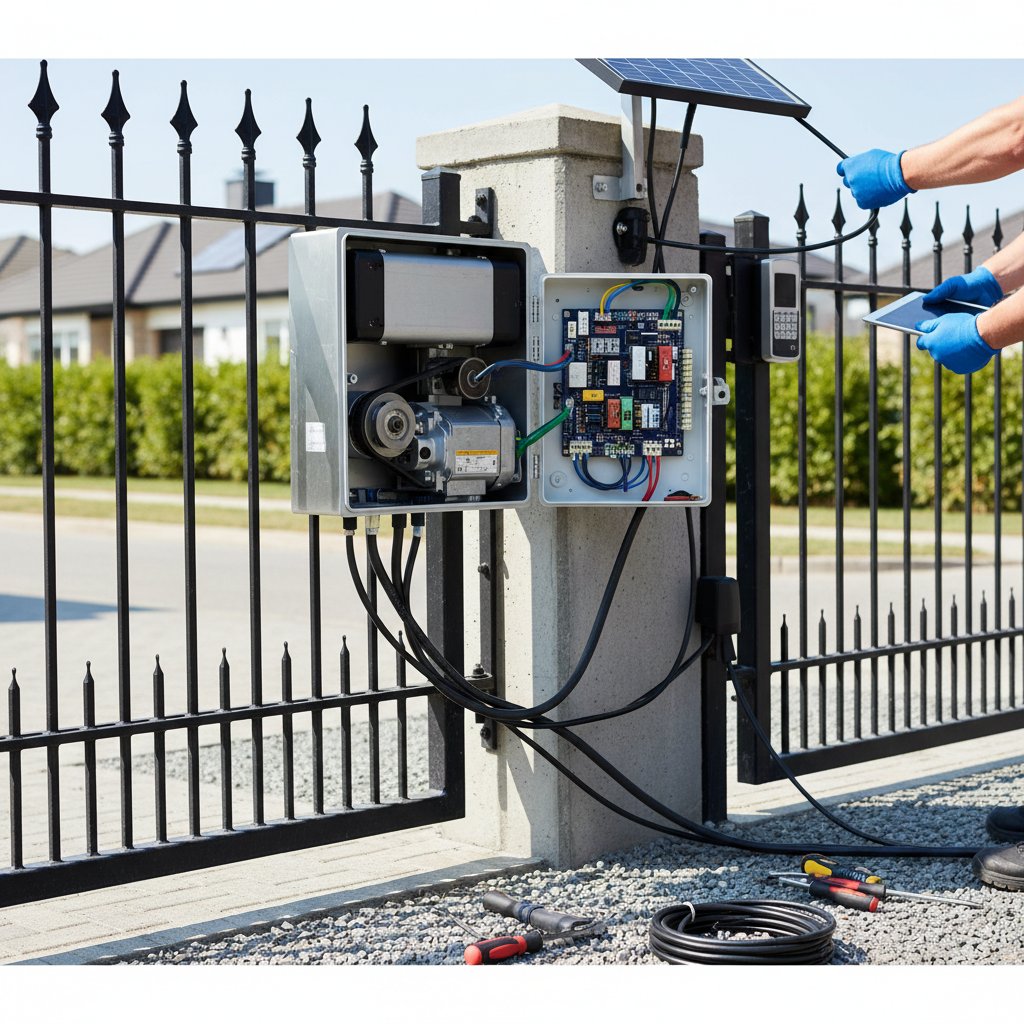
Sliding gate automation kits have dropped to 45,000-65,000 rubles for reliable systems that'll handle typical dacha gates up to 400kg. Five years ago, you'd pay double that. Chinese manufacturers like Nice and Came have flooded the market with surprisingly decent motors that survive Russian winters without the premium price tag.
Installation takes about 6-8 hours for someone who knows what they're doing. The solar panel add-ons (around 18,000 rubles extra) make sense if your dacha sits empty most of the week—no more dead batteries when you arrive Friday evening. Just make sure your installer includes limit switches and obstacle detection. Skipping those features to save 5,000 rubles is how gates end up crushing things.
4. Foundation Requirements Got Stricter (For Good Reason)
The freeze-thaw cycles over the past two winters destroyed thousands of improperly installed fences. Local building inspectors now push for concrete depths of 1.2-1.4 meters in most regions, up from the old 0.8-1.0 meter standard. This adds roughly 400-600 rubles per post to your installation cost, but fences actually stay vertical.
Gravel-concrete mix foundations have become the default for anything heavier than basic wooden pickets. The technique involves filling the hole with alternating layers of crushed stone and concrete, which flexes slightly during frost heave instead of cracking. Contractors charge 1,200-1,600 rubles per post hole for this method, but warranty periods jumped from 2 years to 5-7 years.
5. Modular Systems Let You DIY Without Looking Like You DIY'd
The biggest surprise of 2024? Pre-fabricated fence modules that don't scream "amateur hour." Companies like ZaborProfi and DachaKit ship sections that slot together with hidden brackets and self-leveling posts. A reasonably handy person can install 30 meters over a weekend without renting specialized equipment.
These systems run 2,800-3,500 rubles per meter for materials only—about 30% less than hiring a crew for similar quality. The catch is you'll need at least two people and a post hole digger (rental runs 800-1,200 rubles per day). The modules work particularly well for replacement projects where you're matching existing fence lines and have relatively level ground.
6. Living Fences Made a Comeback (With Realistic Expectations)
Hedge fencing isn't new, but 2024 brought faster-growing cultivars that actually survive Zone 4 winters. Siberian peashrub and Amur privet now establish thick privacy screens in 3-4 years instead of 6-8. Initial planting costs around 800-1,200 rubles per running meter for quality nursery stock.
The honest truth? Living fences need three years of serious attention—weekly watering the first summer, annual pruning, occasional replacement of dead sections. They're not set-it-and-forget-it like metal or composite. But once established, maintenance drops to maybe 4-6 hours per year, and your property value increases by roughly 8-12% according to recent rural real estate data.
Dacha fencing in 2024 rewards those who do their homework. The materials have genuinely improved, prices have stabilized after the chaos of 2022-2023, and installation quality matters more than ever thanks to stricter foundation standards. Whether you're replacing a falling-down wooden fence or securing a new plot, the sweet spot sits around 3,000-3,500 rubles per meter for something that'll last 15+ years without major repairs. Anything significantly cheaper usually means shortcuts that'll bite you within three winters.